
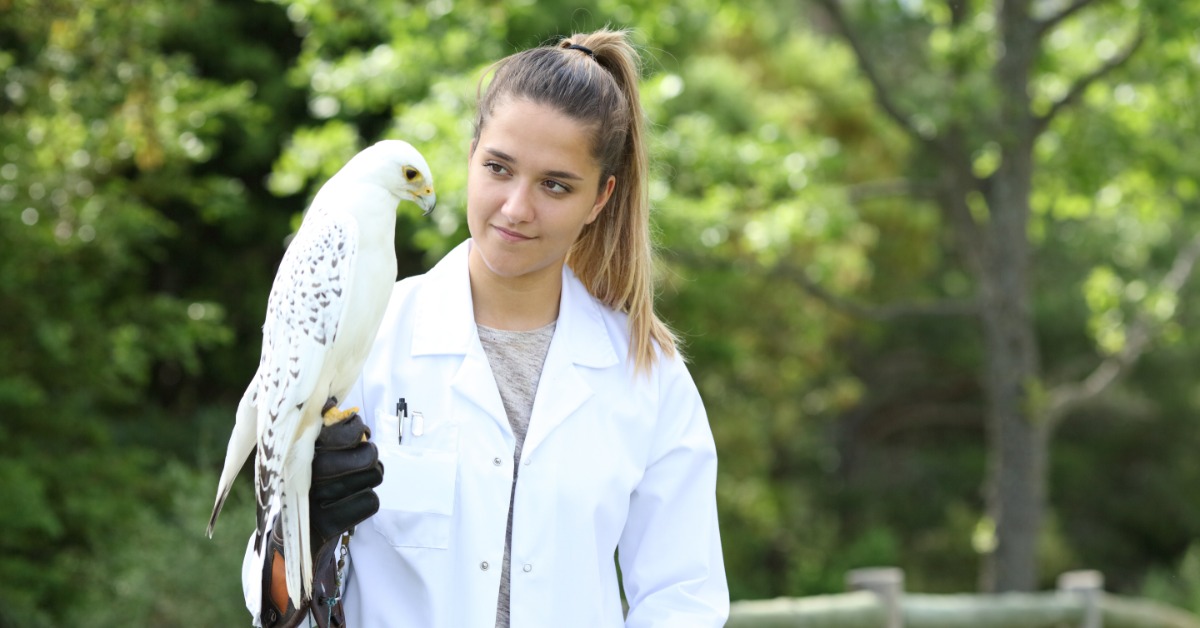
Public spaces such as zoos and aquariums balance education, conservation, and public entertainment while managing complex operational risks. The staff members that work in these businesses interact with wildlife, sensitive habitats, and thousands of visitors every day. Leadership teams must therefore protect animals, employees, and guests through careful hiring practices.
Hiring mistakes can quickly lead to animal welfare concerns, visitor injuries, or regulatory violations. That is why thorough background checks have a huge impact on animal care and visitor safety and can be monumental for reducing risks.
Why Hiring Integrity Matters for Animal Care
Animal parks employ professionals who manage animals, operate equipment, maintain habitats, and guide visitors through interactive experiences. Each role demands trust because employees handle safety procedures, sensitive information, and valuable wildlife assets.
Hiring managers must confirm that candidates possess both the credentials and judgment required for these responsibilities. Effective background checks support informed hiring decisions before individuals enter high-risk environments.
Large animal parks also operate as public institutions that depend on visitor confidence and community partnerships. News about misconduct or negligence can spread quickly and damage long-standing reputations. Organizations that vet employees carefully show regulators, donors, and guests that they prioritize responsible stewardship. A structured screening strategy therefore protects both operational safety and brand credibility.
Protecting Animal Welfare Through Responsible Hiring
Animal care staff interact with species that require specialized handling and deep knowledge of animal behavior. Even small mistakes can create stress for animals or lead to injury for handlers.
Background checks help employers verify training, previous employment history, and relevant certifications before assigning individuals to direct care roles. This verification process helps ensure that animals receive care from experienced and qualified professionals.
Wildlife conservation programs also rely on ethical decision-making from every employee. Staff members often control feeding schedules, medical treatments, and habitat conditions that influence animal health. Hiring managers must therefore evaluate integrity and past conduct as part of their candidate assessments. Background checks provide critical information that supports these evaluations.

Preventing Safety Incidents in High-Risk Environments
Zoos and aquariums contain unique safety challenges that differ from most workplaces. Employees may operate heavy gates, work near aquatic tanks, manage animal transport systems, or monitor large predators. Even minor negligence can create serious hazards for both workers and visitors. Background screening helps organizations identify past behaviors that may indicate safety risks.
Many incidents occur because of poor judgment rather than lack of skill. Employers therefore benefit from understanding patterns in a candidate’s work history before extending an offer.
Screening records can reveal criminal history, inconsistent employment patterns, or other issues that require further review. With better insight, leadership teams can reduce preventable workplace accidents.
Ensuring Visitor Safety in Public Spaces
Zoos and aquariums host thousands of visitors each day during peak seasons. Families with children often participate in animal encounters, guided tours, and educational programs led by staff members. These interactions require trustworthy employees who can manage crowds while maintaining safety procedures. Background checks help organizations confirm that employees meet these expectations.
Public-facing roles also require strong judgment and professionalism. Staff members must handle emergencies, assist lost children, and respond to unexpected animal behavior. Hiring managers must therefore assess whether candidates demonstrate responsibility and reliability. Screening processes help identify individuals who can maintain calm and safe environments.
Key Roles in Animal Parks That Require Thorough Screening
Not every position within a zoo or aquarium carries the same level of risk. However, many roles involve direct contact with animals, visitors, or sensitive infrastructure. Employers should prioritize background checks for positions that influence safety, animal welfare, or operational security. Careful screening strengthens accountability across the entire organization.
Common positions that benefit from detailed screening include:
- Animal caretakers and veterinary technicians
- Aquarium divers and aquatic life specialists
- Education program leaders and tour guides
- Maintenance staff responsible for enclosures and safety systems
- Security personnel monitoring public areas
- Transportation and logistics staff handling animal transfers
Organizations that screen these roles carefully reduce vulnerabilities that could affect both wildlife and guests.
Strengthening Regulatory Compliance and Public Trust
Animal parks operate under numerous regulations related to wildlife protection, worker safety, and public health. Regulatory agencies expect organizations to demonstrate responsible hiring and operational oversight. Background screening programs support compliance by documenting that employers evaluate candidate qualifications and conduct before hiring. This documentation strengthens an organization’s credibility during inspections or audits.
Public trust also depends on transparency and responsible management practices. Visitors expect animal parks to maintain safe environments for both animals and people. When organizations implement clear hiring policies, they demonstrate a commitment to ethical operations. This commitment encourages community support and long-term visitor loyalty.
Reducing Liability and Operational Risk
Hiring the wrong employee can create costly consequences for animal parks. Workplace incidents may lead to lawsuits, regulatory penalties, or insurance complications. Legal costs and reputational damage can also impact funding, partnerships, and visitor attendance. Background checks help organizations reduce these financial and operational risks.
Risk reduction begins with informed hiring decisions. Screening processes provide insights that interviews alone cannot reveal. Employers gain additional context about candidate history, helping them evaluate potential concerns before onboarding. This proactive approach protects both organizational stability and public safety.
Building a Culture of Responsibility and Accountability
Hiring practices influence workplace culture across every department. When organizations implement consistent screening procedures, employees understand that leadership values responsibility and professionalism. This expectation encourages stronger adherence to safety protocols and ethical conduct. A clear hiring standard therefore shapes daily operations throughout the organization.
Culture also influences how employees respond to challenges in animal care and visitor management. Teams that value accountability communicate openly and support each other during high-pressure situations.
Background screening supports this culture by ensuring that new hires align with organizational values. Over time, these practices strengthen both team performance and operational safety.
The Role of Professional Screening Partners
Understanding how background checks impact visitor safety and animal care helps large organizations manage complex hiring processes across multiple departments. Public animal parks that do not have a cohesive process should work with professional screening services to deliver the best hiring strategies.
Partnering with experienced screening providers helps streamline these processes while maintaining compliance and accuracy. Reliable screening partners provide consistent reporting and documentation.
Professional background screeners allow employers to access verified records efficiently. These services support HR teams that need a reliable and trustworthy workforce. PSI Background Screening works with organizations to deliver accurate screening results that support responsible hiring decisions. With the right partner, animal facilities can maintain both operational efficiency and strong safety standards.