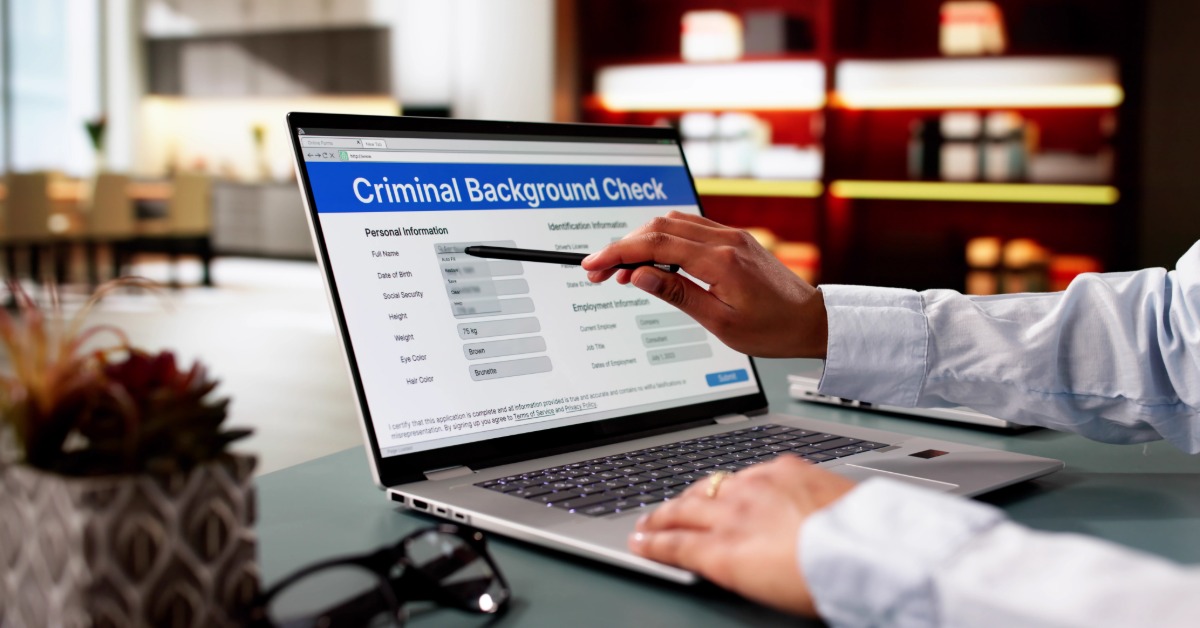

Employment eligibility verification has evolved significantly in recent years. What was once a straightforward paper-based process has transformed into a sophisticated system designed to protect both employers and employees while maintaining compliance with federal regulations.
Understanding the changes in employment eligibility verification services matters for hiring managers who want to build compliant, efficient recruitment processes. Recent updates to Form I-9, new technology requirements, and shifting regulatory standards have created both opportunities and challenges for organizations of all sizes.
The Shift to Digital Verification
The most significant change in employment eligibility verification is the widespread adoption of digital systems. While paper Form I-9 remains legally acceptable, E-Verify and other electronic verification platforms have become the standard for many organizations.
E-Verify is a web-based system that compares information from an employee’s Form I-9 to government records. It’s now mandatory for federal contractors and employers in several states, including Alabama, Arizona, Georgia, Mississippi, North Carolina, South Carolina, Tennessee, and Utah.
Digital verification offers several advantages:
- Speed: Results typically arrive within seconds rather than days
- Accuracy: Automated data entry reduces human error
- Record-keeping: Electronic storage simplifies audits and compliance reviews
- Integration: Many systems connect directly with your HRIS platform
However, digital verification isn’t without challenges. Employers must ensure they’re using authorized systems, maintain proper security protocols, and understand that E-Verify supplements rather than replaces the Form I-9 process.
Updated Form I-9 Requirements
The US Citizenship and Immigration Services (USCIS) regularly updates Form I-9 to improve clarity and reduce errors. The most recent version includes several notable changes that affect how hiring managers complete the verification process.
- Streamlined instructions: The current form features clearer guidance on acceptable documents and completion procedures. This helps reduce common mistakes that lead to compliance issues during audits.
- Enhanced document lists: Updates to Lists A, B, and C reflect new identification options and clarify which documents satisfy employment eligibility requirements. For example, the form now includes specific guidance on temporary receipts and expired documents.
- Remote verification options: In response to the COVID-19 pandemic, USCIS introduced temporary flexibility for remote I-9 verification. While some flexibilities have ended, the agency continues to evaluate permanent remote verification procedures that balance security with practical business needs.
Hiring managers should regularly check for form updates. Using an outdated version of Form I-9 can result in penalties, even if all information is otherwise correct.

State-Level Verification Mandates
While federal law establishes baseline requirements for employment eligibility verification, many states have implemented additional mandates that hiring managers must understand.
Some states require all employers to use E-Verify, while others mandate it only for certain industries or company sizes. States may also impose specific timelines for verification, stricter penalties for non-compliance, or additional documentation requirements.
Key Considerations for Multi-State Employers:
- Maintain separate compliance protocols for each state where you operate
- Track varying deadlines and requirements across jurisdictions
- Ensure your verification system accommodates different state mandates
- Stay informed about pending legislation that may affect your obligations
The patchwork of state requirements can be challenging to navigate. Many organizations partner with employment eligibility verification services that automatically apply the correct standards based on work location.
Enhanced Document Security Features
Document fraud remains a significant concern in employment verification. In response, government agencies have enhanced security features on acceptable identification documents, and employers face increased responsibility for detecting fraudulent submissions.
Modern Security Features Include:
- Advanced holographic images
- Embedded chips containing biometric data
- UV-reactive elements
- Laser-engraved text and images
- Color-shifting inks
Hiring managers don’t need to become forensic document examiners, but basic fraud awareness is essential. Many verification services now offer automated document authentication that flags potentially problematic submissions for closer review.
Training your team to recognize common red flags—such as altered photos, inconsistent fonts, or missing security features—protects your organization from compliance violations and reduces the risk of hiring individuals who aren’t authorized to work.
Integration With Background Screening
Employment eligibility verification increasingly overlaps with comprehensive background screening processes. Rather than treating these as separate activities, forward-thinking organizations now integrate verification into their broader pre-employment assessment workflow.
This integration offers several benefits:
- Efficiency: Candidates complete all required forms and authorizations simultaneously, reducing delays in your hiring timeline.
- Consistency: A unified process ensures no steps are missed, and all candidates receive the same thorough evaluation.
- Better candidate experience: Streamlined procedures demonstrate professionalism and respect for candidates’ time.
- Comprehensive risk management: Combining eligibility verification with criminal background checks, education verification, and reference checks provides a complete picture of each candidate.
Modern HRIS platforms often include built-in verification capabilities or seamlessly integrate with specialized verification services. This technology-driven approach automates routine tasks, allowing hiring managers to focus on strategic decisions rather than administrative details.

Compliance Monitoring and Audit Readiness
Regulatory agencies have intensified enforcement of employment eligibility verification requirements. Immigration and Customs Enforcement (ICE) conduct regular audits, and penalties for non-compliance have increased substantially.
Recent Enforcement Trends:
- More frequent no-notice I-9 inspections
- Larger fines for technical violations
- Criminal prosecution for knowing violations
- Increased scrutiny of patterns suggesting discrimination
Maintaining audit readiness requires systematic record-keeping and regular internal reviews. Leading employment eligibility verification services now include compliance monitoring features that automatically flag potential issues before they become problems.
Essential Audit Preparation Steps:
- Conduct quarterly internal I-9 audits
- Correct identified errors using proper procedures
- Document all verification activities thoroughly
- Train supervisors on non-discrimination requirements
- Establish clear protocols for responding to government inquiries
Organizations that proactively manage compliance significantly reduce their risk exposure and demonstrate good-faith efforts to comply with the law.
The Role of Artificial Intelligence
Artificial intelligence is beginning to transform employment eligibility verification. AI-powered systems can now analyze documents, detect fraud, and identify compliance risks with remarkable accuracy.
These technologies learn from millions of verification transactions, continuously improving their ability to spot anomalies and inconsistencies. For hiring managers, this means faster processing, fewer errors, and more reliable results.
However, AI verification tools must be implemented carefully. Employers remain legally responsible for the accuracy of verification, even when using automated systems. Understanding how your AI tools make decisions and maintaining human oversight of unusual cases protects your organization from liability.
Building a Compliant Verification Process
Given these changes, what should hiring managers prioritize when establishing or updating their employment eligibility verification process?
- Start with clear policies: Document your verification procedures, including timelines, responsibilities, and escalation protocols for problem cases.
- Invest in training: Ensure everyone involved in hiring understands current requirements and common pitfalls. Regular refresher training keeps your team updated as regulations evolve.
- Monitor performance: Track key metrics like time-to-verification, error rates, and audit findings. Use this data to identify improvement opportunities.
- Stay informed: Subscribe to updates from USCIS, your state labor department, and trusted HR information sources. Regulations change frequently, and ignorance isn’t a defense.
Your Next Steps
Employment eligibility verification will continue evolving as technology advances and regulatory priorities shift. Organizations that stay ahead of these changes position themselves for success in an increasingly competitive talent market.
With PSI Background Check, you can use our professional background check services to ensure that your company stays compliant with all hiring standards. Don’t stress over your hiring standards—work with us to streamline your verification process.